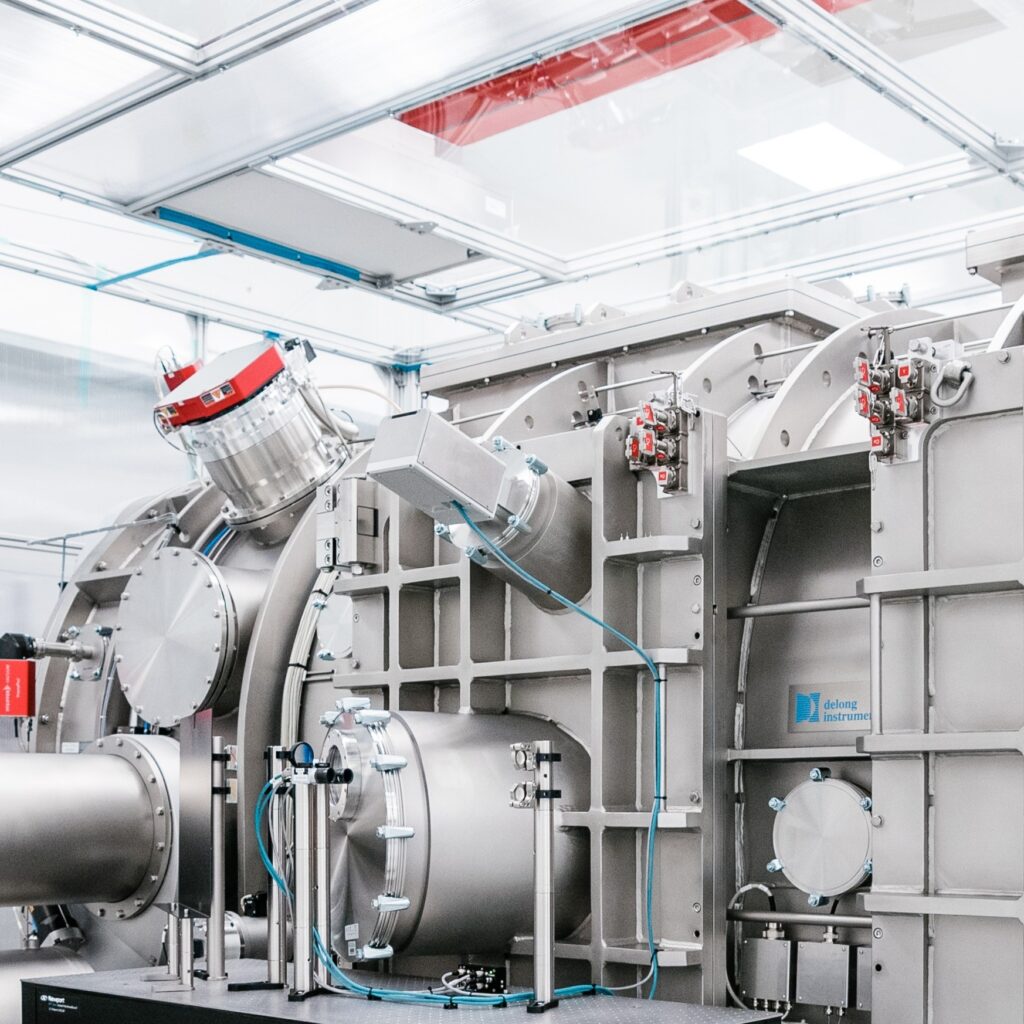
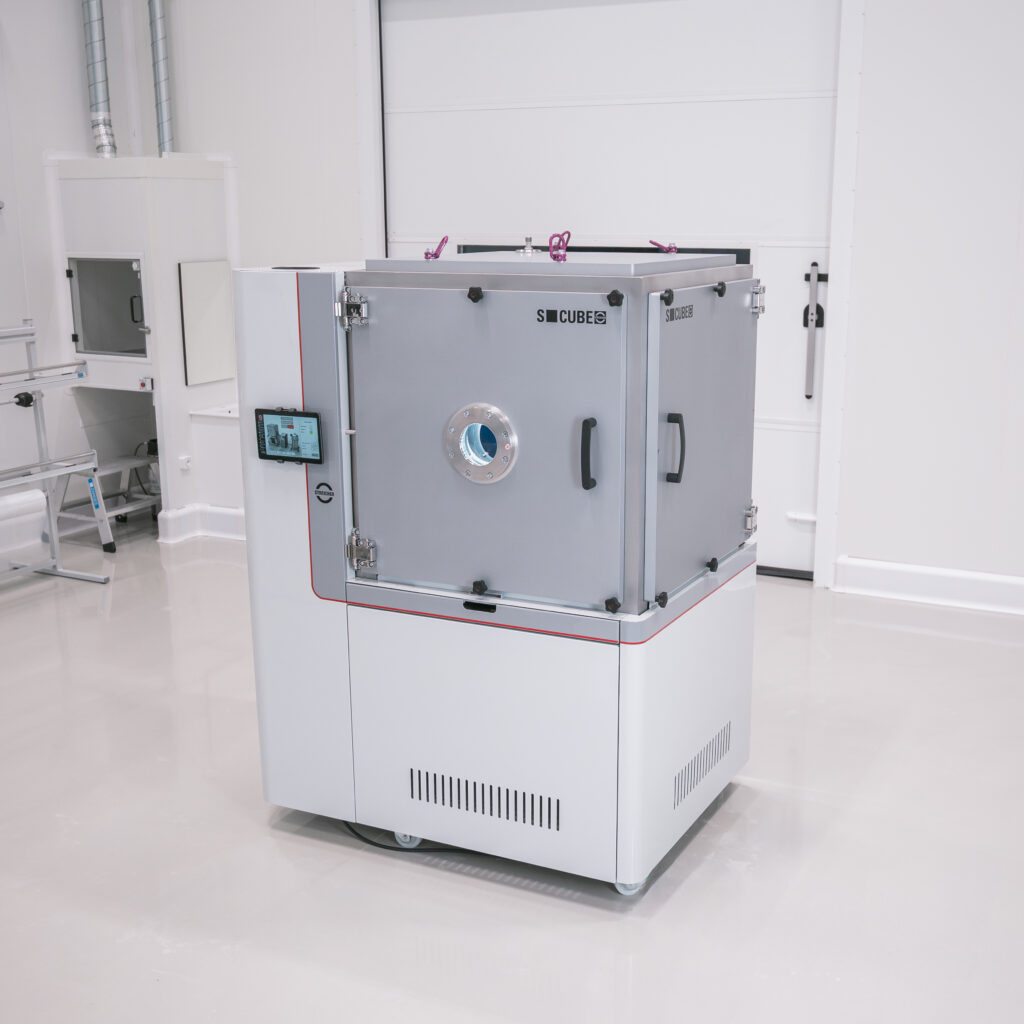
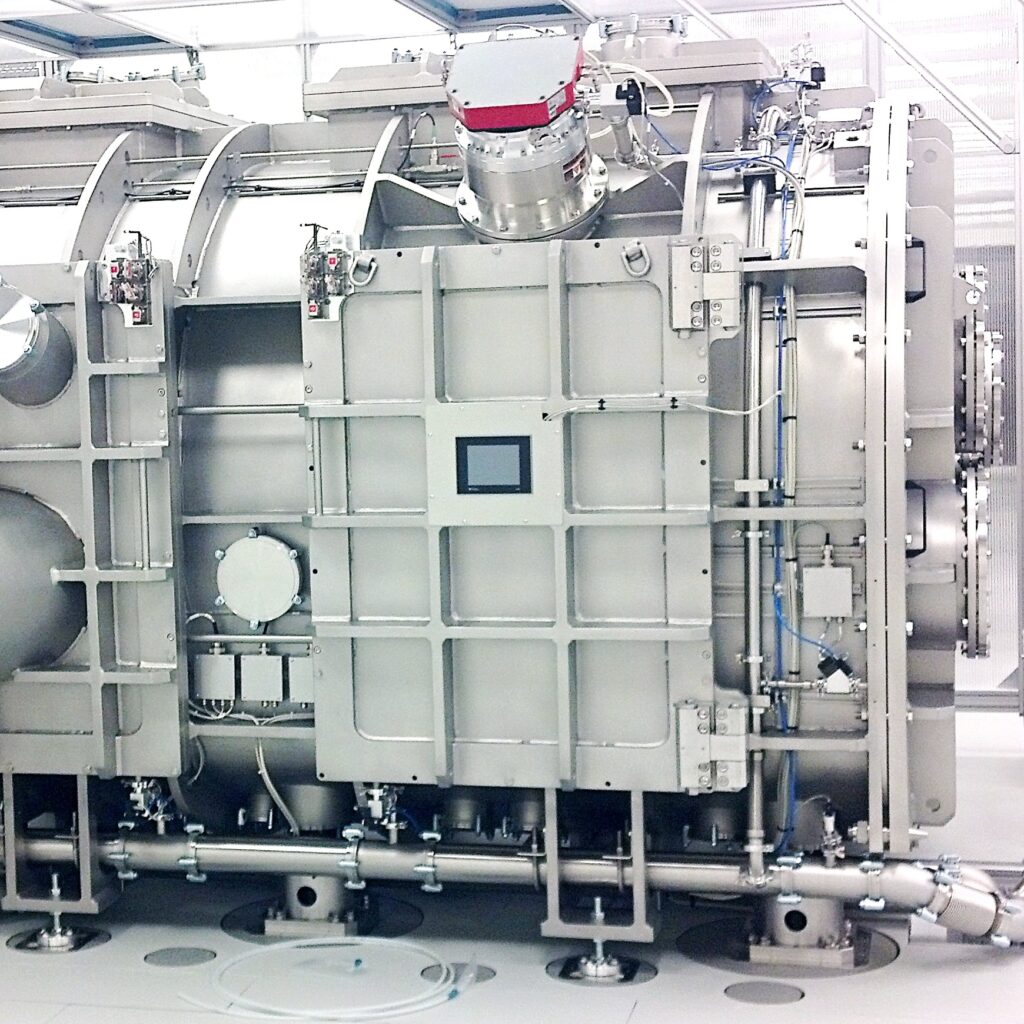
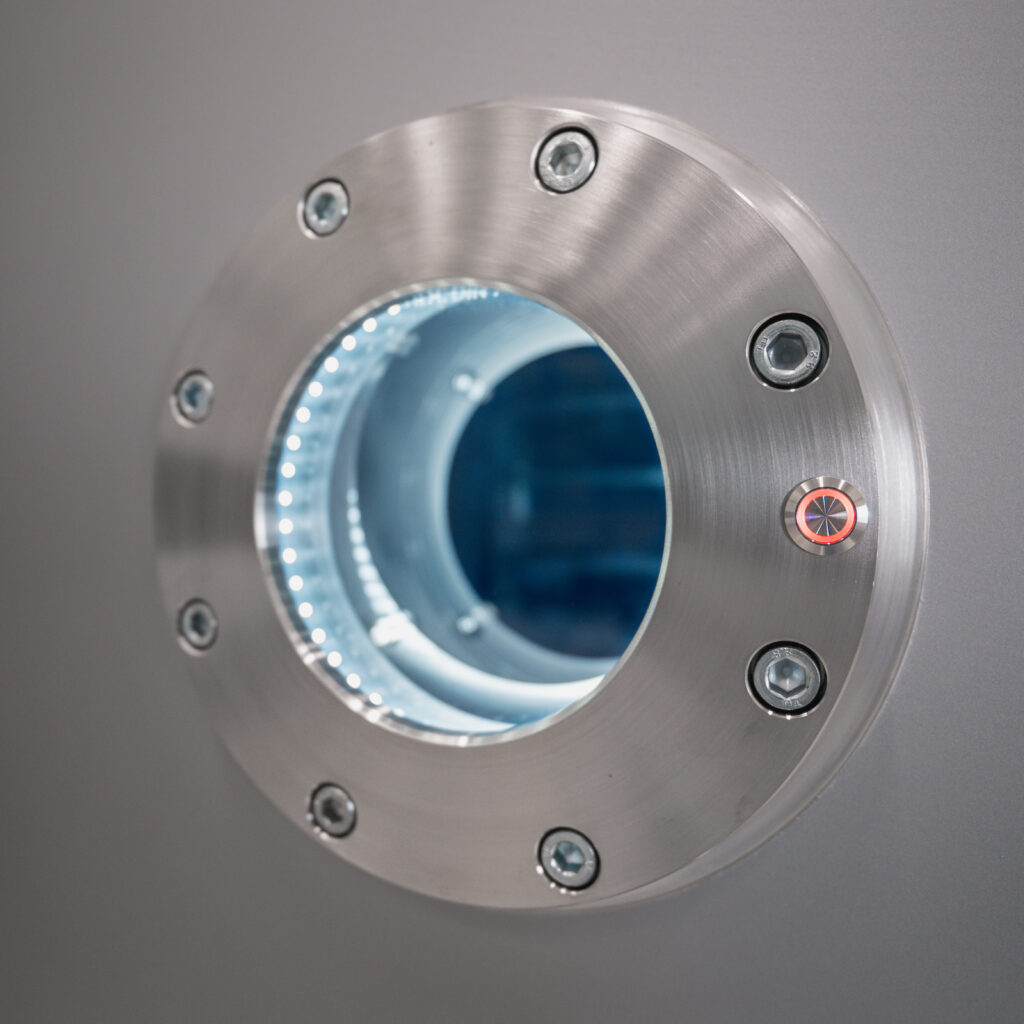
Plasma cleaning quickly and effectively removes surface contaminants, ensuring a clean environment and optimal results.

Plasma cleaning

Plasma cleaning quickly and effectively removes surface contaminants, ensuring a clean environment and optimal results.

Why to consider plasma cleaning?

Removal of residues and contaminants

Plasma cleaning removes organic and inorganic contaminants, primarily hydrocarbons, from vacuum chamber walls. Otherwise, these contaminants would increase outgassing.

Process reliability

With plasma cleaning, the risk of unwanted chemical reactions during operation is reduced, ensuring consistent results. It extends the chamber’s lifespan and lowers the risk of failures or experimental errors.

Time and maintenance savings

Unlike traditional chemical cleaning, plasma cleaning is fast, uniform, and does not require manual labor. It is also energy efficient, comparable to standard high-temperature bake-out. This reduces downtime and maintenance between processes.

Principle

  • Plasma cleaning uses ionized gas, consisting of free radicals, ions, and UV photons, to break down organic and some inorganic contaminants into volatile products.
  • This process relies on the physicochemical interaction between the plasma and the surface. Adsorbed molecules decompose and are subsequently removed by the vacuum system.
  • The process can be either reactive, in which chemical radicals oxidize or reduce contaminants, or physical, in which ions mechanically remove material through a process called sputtering.
  • This method can treat complex geometries and hard-to-reach areas that traditional mechanical methods cannot access.
  • Reducing organic residues improves outgassing, which is critical for ultra-high vacuum (UHV) and sensitive PVD/CVD processes.

Types of plasma sources

  • The main types of plasma sources are RF (radio frequency), microwave, ICP (inductively coupled plasma), DC glow discharge, and UV (ultraviolet).
  • RF plasma is versatile and controllable and suitable for a wide range of pressures and gases.
  • Microwave sources provide high plasma density and uniform coverage, which is advantageous for large chambers.
  • ICP plasma offers high reactivity at low pressure, making it ideal for sensitive materials and thin films.
  • DC glow discharge is a simple method for metallic parts, though it is less suitable for dielectrics.
  • UV plasma cleaning uses ultraviolet light and reactive oxygen to break down and remove organic contaminants from surfaces in a low-temperature process.
  • Each source requires a specific electrode configuration, voltage, and current for optimal performance.
  • Source selection depends on chamber geometry, material sensitivity, and contaminant type.

Hydrocarbon removal

  • Hydrocarbon contaminants, such as oils, greases, and organic residues, are a primary source of outgassing in vacuum systems.
  • O₂ plasma oxidizes these contaminants into CO₂ and H₂O, which the vacuum system can easily remove.
  • Mixed plasmas (Ar/O₂) combine physical sputtering with chemical oxidation for more effective removal.
  • Plasma cleaning can reach micro-cracks and gaps that mechanical cleaning cannot.
  • The decomposition rate and completeness of hydrocarbon removal are influenced by exposure time and plasma density.
  • Removing hydrocarbons increases surface cleanliness and ensures better adhesion for subsequent layers (PVD, CVD).
  • To prevent recontamination, environmental control is required post-cleaning, and the next process step must be completed promptly.

Get in touch

Do you have questions about our Advanced Vacuum solutions?

Contact form

By submitting the form, I agree and acknowledge the processing of personal data.