Load-lock systems

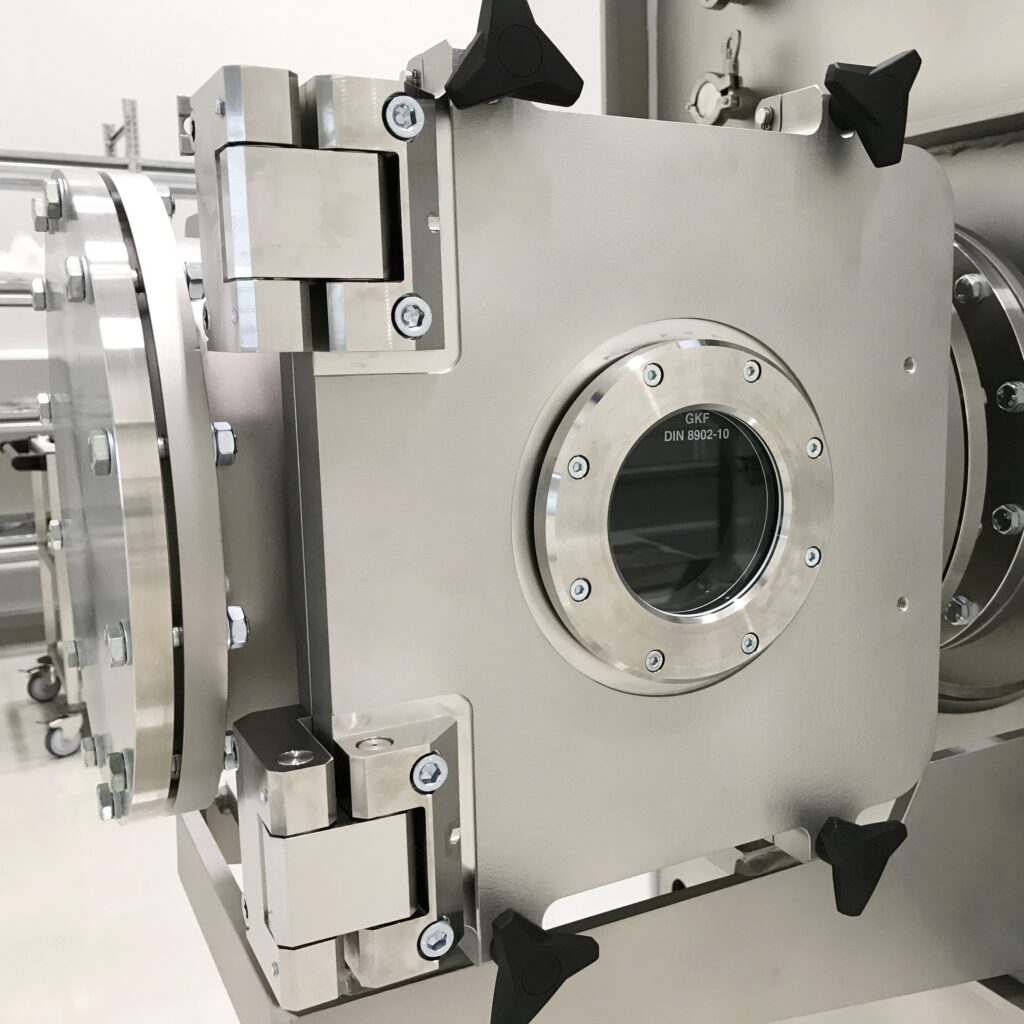
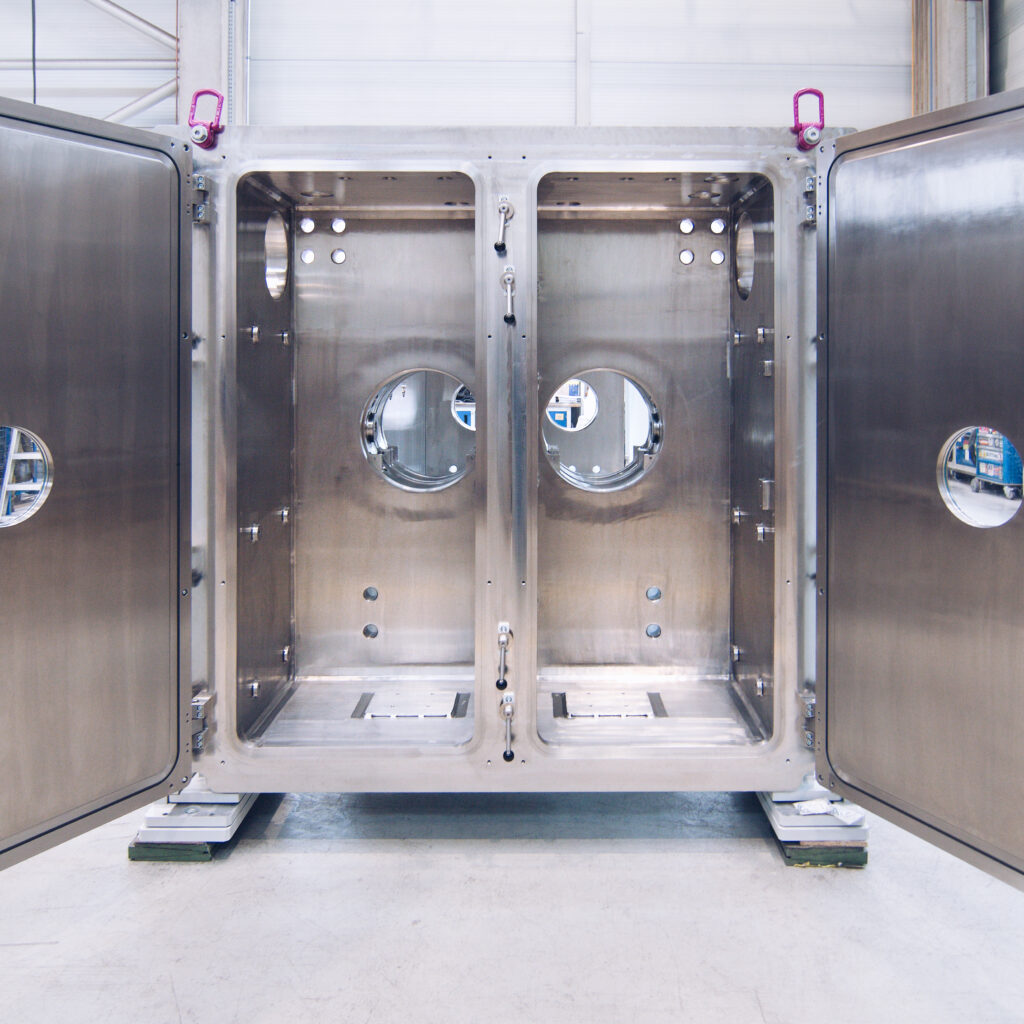
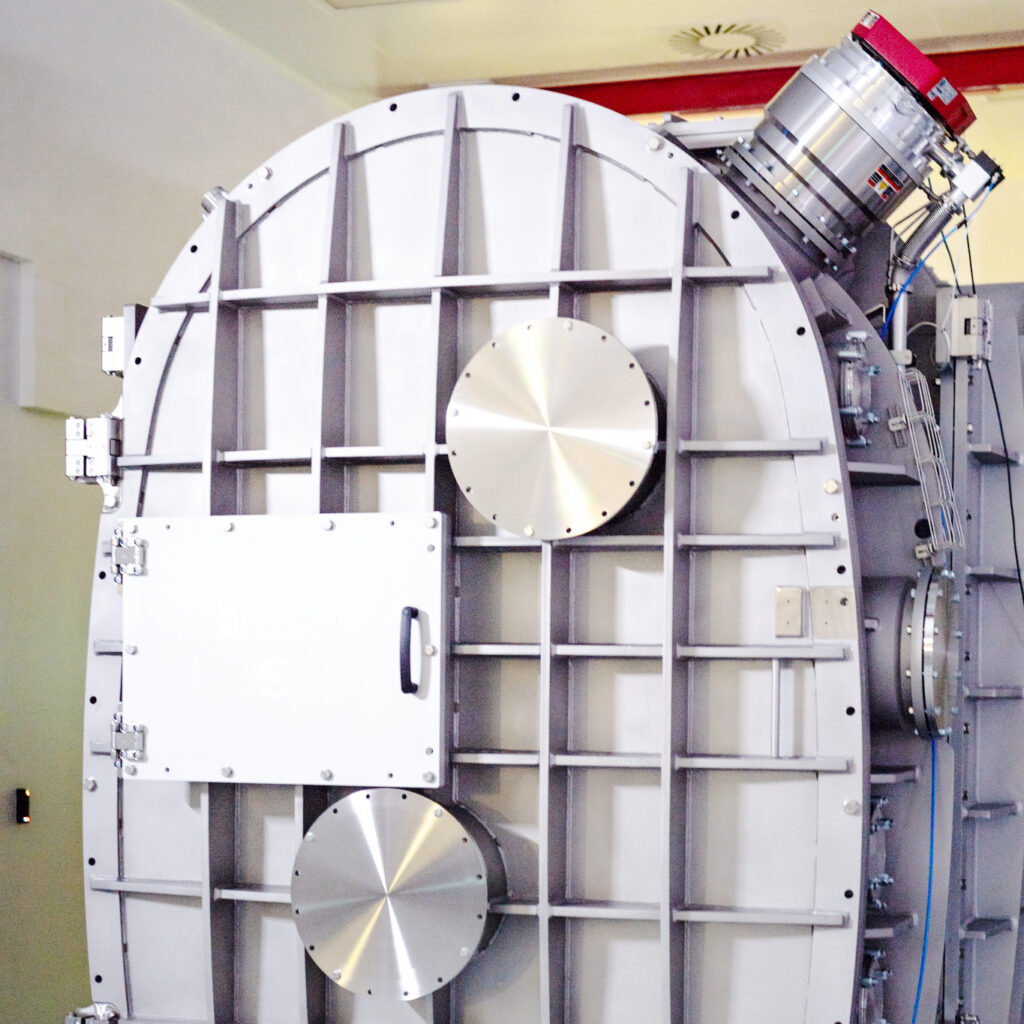
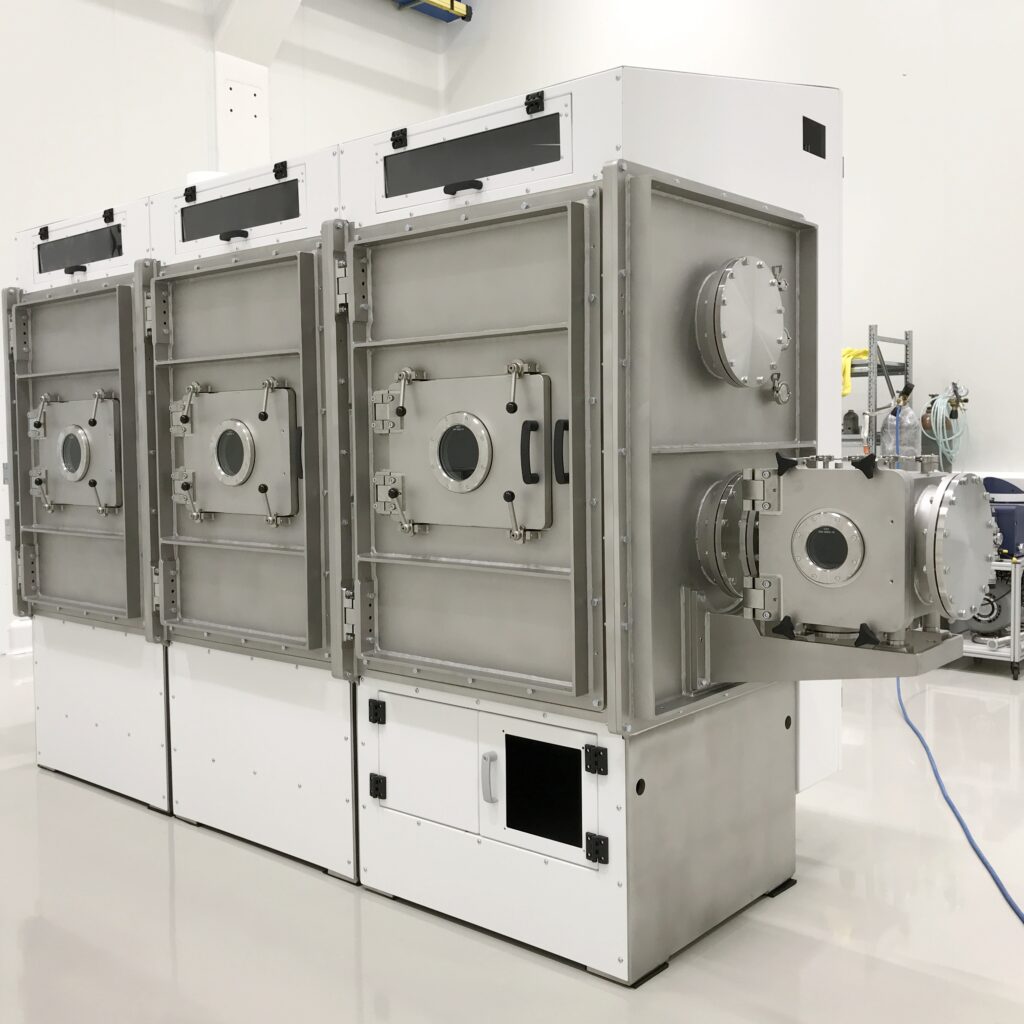
The load-lock system is suitable for a variety of applications, as it allows fast insertion and removal of samples without disturbing the main vacuum in a larger vacuum chamber.

Why to consider load-lock systems?

Contamination and chamber cleanliness

The load-lock allows inserting and removing samples without opening the main vacuum chamber. This minimizes exposure to air, moisture, and particles that could contaminate the sample or equipment.

Speed and efficiency

Only the small transfer area of the load-lock chamber needs to be re-evacuated after each cycle, not the main chamber. 

Pressure and condition stability

By separating the air from the main vacuum, a constant pressure and temperature are maintained to ensure stable conditions. The load-lock protects process efficiency and prolongs the life of vacuum components.

Direct insertion

  • The load-lock allows sample insertion without disturbing the vacuum in the main chamber, thus preserving the cleanliness of the working environment.
  • Direct insertion requires opening and evacuating the main chamber with each cycle, which increases experiment time.
  • Using a load-lock reduces the risk of contamination from dust, moisture, or other atmospheric particles.
  • Direct insertion may be suitable for less demanding applications where cycle time and cleanliness are not critical.

Semiconductor, PVD, CVD

  • In semiconductor manufacturing, a load-lock enables wafer transfer between the preparation and the process chamber without exposing the main chamber to air.
  • In photonics, the load-lock is used to precisely place optical components, such as laser crystals or optical substrates.
  • In PVD and CVD processes, the load-lock ensures that samples remain clean and prevents them from mixing with previous layers or its contamination especially for ultra-thin layers.
  • The design is more complex, requiring synchronization of the pump and valves, as well as maintenance of the seals and valves between the load-lock and main chamber.

Single / dual load-lock

  • A single load-lock contains one transition chamber between the atmosphere and the main vacuum chamber, suitable for experiments with lower sample frequency.
  • A dual load-lock has two chambers: one for sample preparation and one for pumping and transfer, allowing simultaneous handling of multiple samples.
  • Multiple load-locks may have separate pumping and venting sections to reduce sample mixing.
  • The choice of load-lock type depends on the frequency of the experiment, the type of the sample, the cycle speed, and the laboratory budget.

Get in touch

Do you have questions about our Advanced Vacuum solutions?

Contact form

By submitting the form, I agree and acknowledge the processing of personal data.