Control system technology
The control system enables real-time process control, ensuring maximum precision and efficiency.
Why to consider control system?
Process parameter monitoring
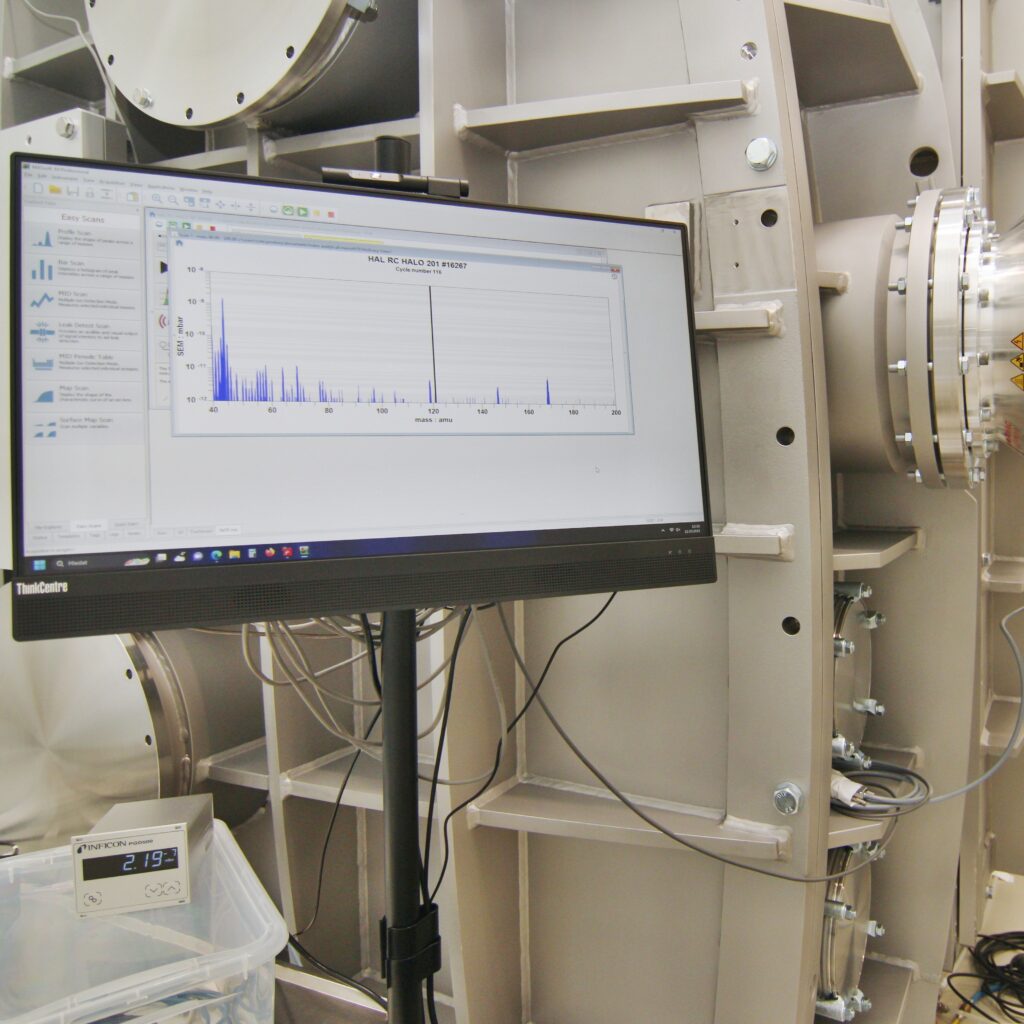
Real-time measurement systems allow you to monitor key process parameters. Immediate monitoring enables quick responses to deviations, preventing contamination or process errors.
Data logging and traceability
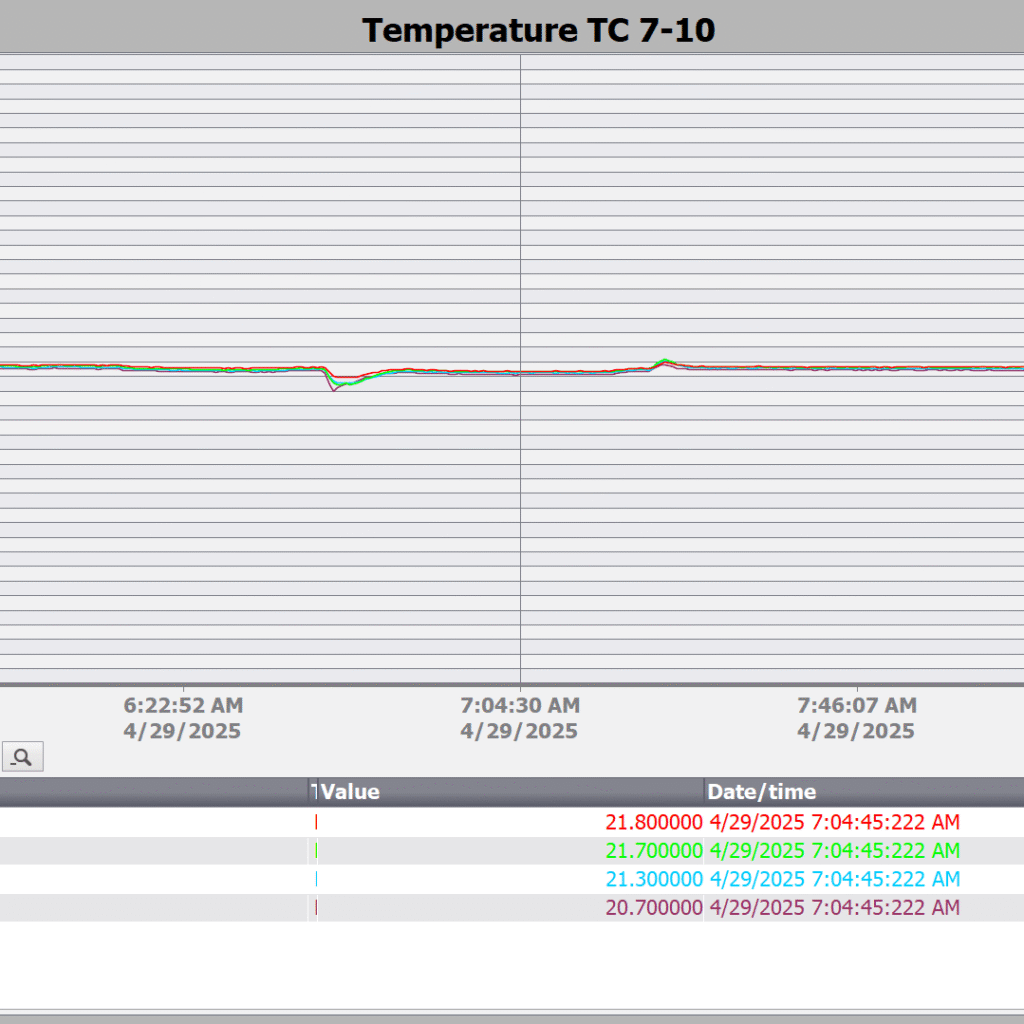
Recording parameters throughout the process provides a complete history of the experiment or production cycle, which can be used for trend analysis, problem identification, and process optimization.
Automated control and optimization
Integrated systems automatically adjust inputs, such as gases, temperatures, or power, based on real-time measurements. Automation enables reliable system control and optimization.
Pressure and vacuum
- Pressure and vacuum sensors provide real-time monitoring of the chamber and supply critical data for process control.
- Different sensor types are used: Pirani, ionization, capacitive, or piezoelectric depending on the pressure range.
- Integration includes mechanical mounting, vacuum-compatible flanges, and electrical connections with minimal interference.
- The sensors must be able to withstand bake-out, chemical exposure, and repeated vacuum cycles.
- Sensor outputs are connected to control systems that enable monitoring, alarms, and automatic regulation.
- Modern systems use digital communication protocols for reliable data transfer.
Data logging systems
- Data logging systems collect, archive, and visualize real-time measurements from sensors.
- This allows for process history tracking, statistical analysis, and deviation detection.
- These systems can be standalone or integrated for centralized control.
- Key factors include input compatibility, recording frequency, and data storage format.
- Alarm generation upon exceeding threshold values is often included.
Real-time analytics
- Real-time analytics enables the immediate analysis of data collected from sensors in vacuum or process systems.
- The goal is to identify trends, deviations, and potential issues during the ongoing process, eliminating the need to wait for historical data evaluation.
- These systems use algorithms to filter, smooth, and correct data, ensuring reliable results even in the presence of measurement noise.
- This allows for predictive maintenance by analyzing deviations from normal equipment behavior to forecast potential failures.
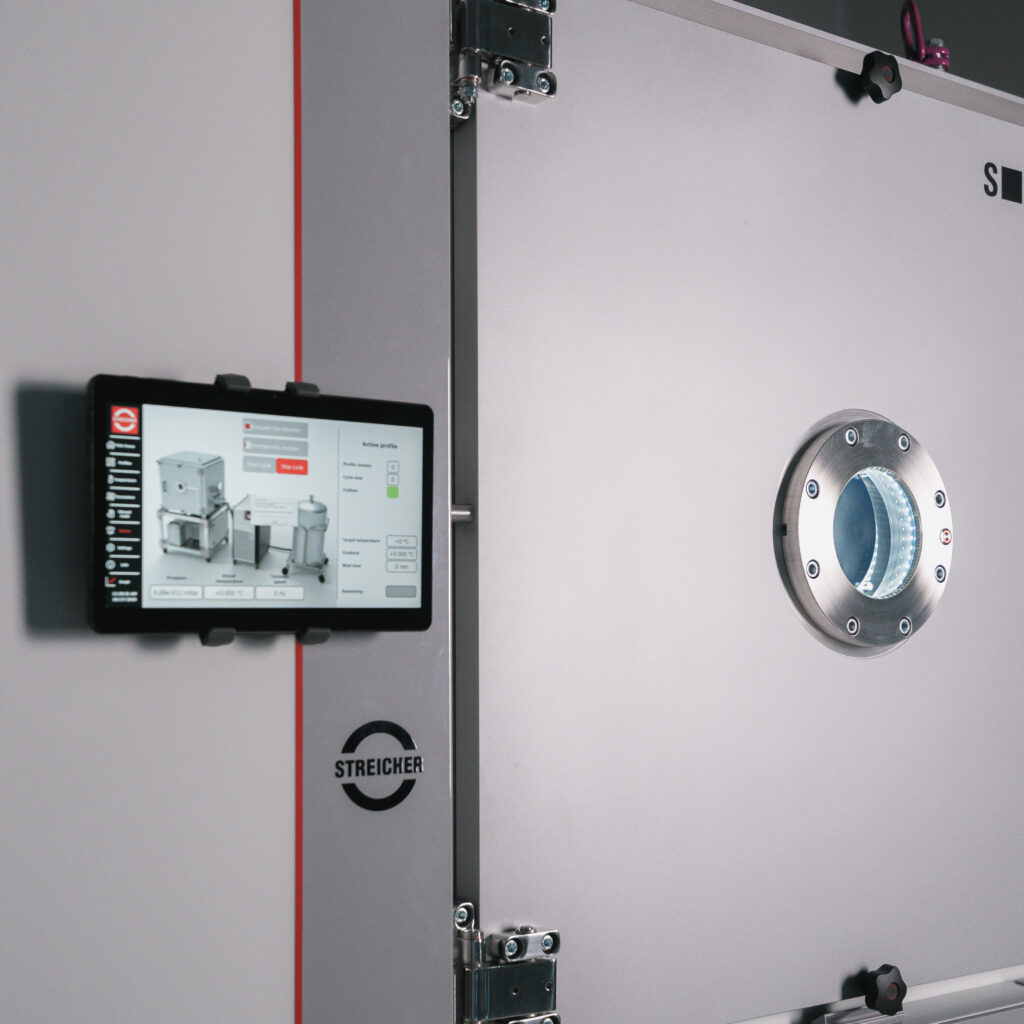
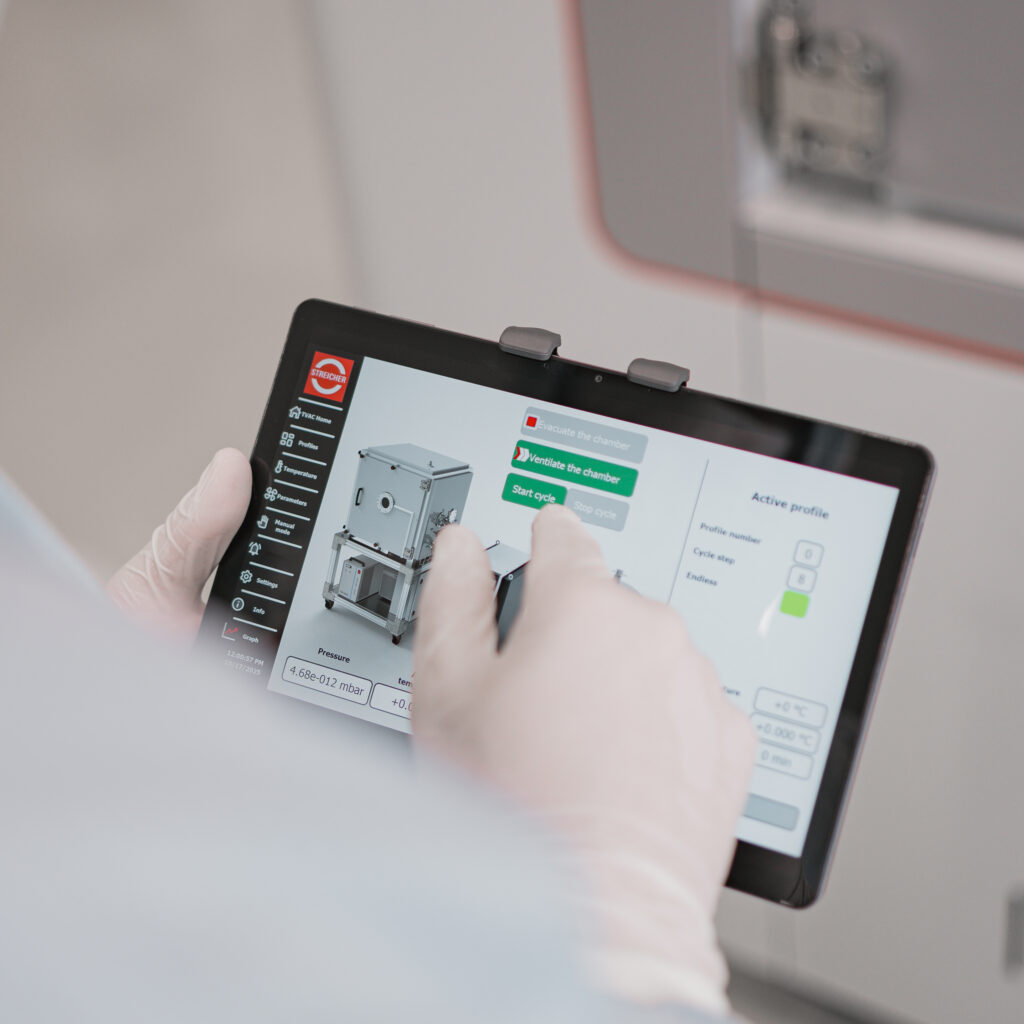
- Data are visualized through dashboards or HMIs, enabling operators to respond quickly to critical situations.
- Integration with PLCs, SCADA, or cloud platforms enables centralized monitoring and information sharing across devices and laboratories.