Condensers
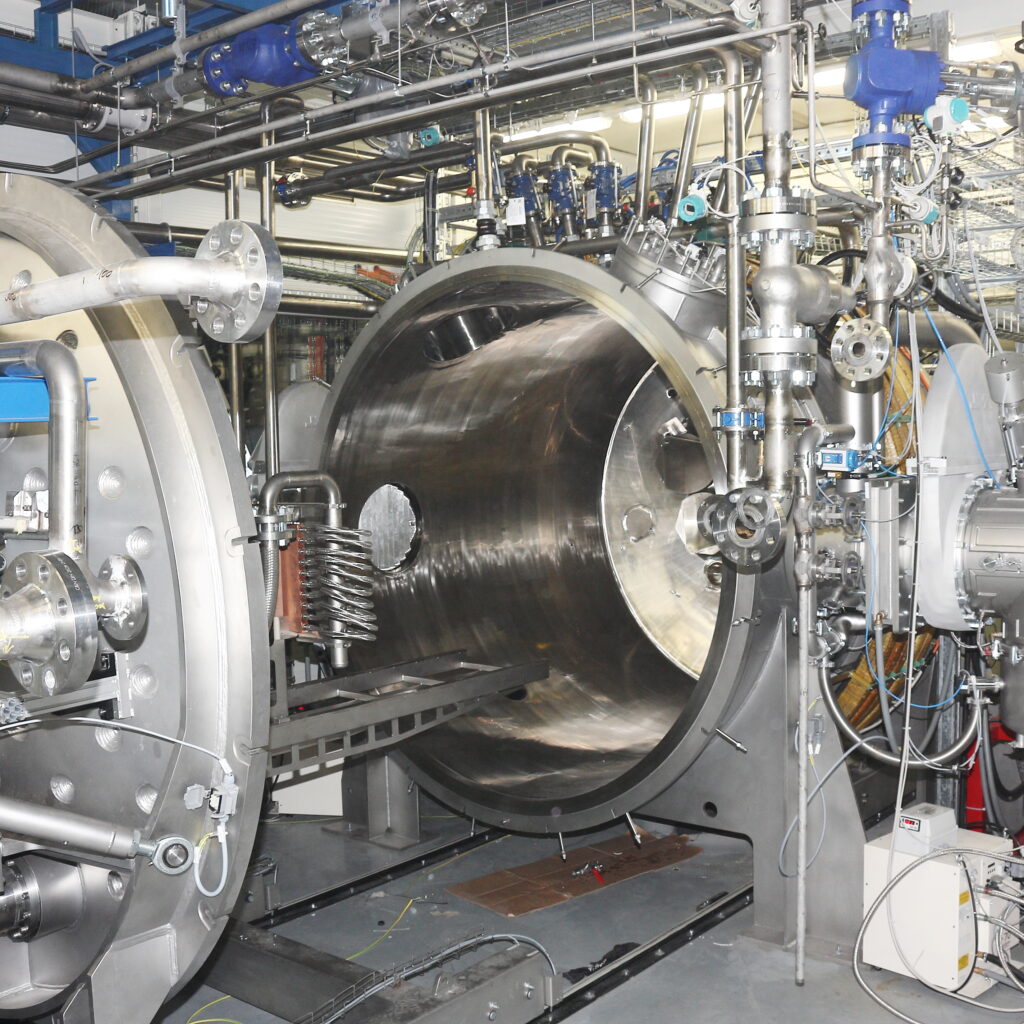
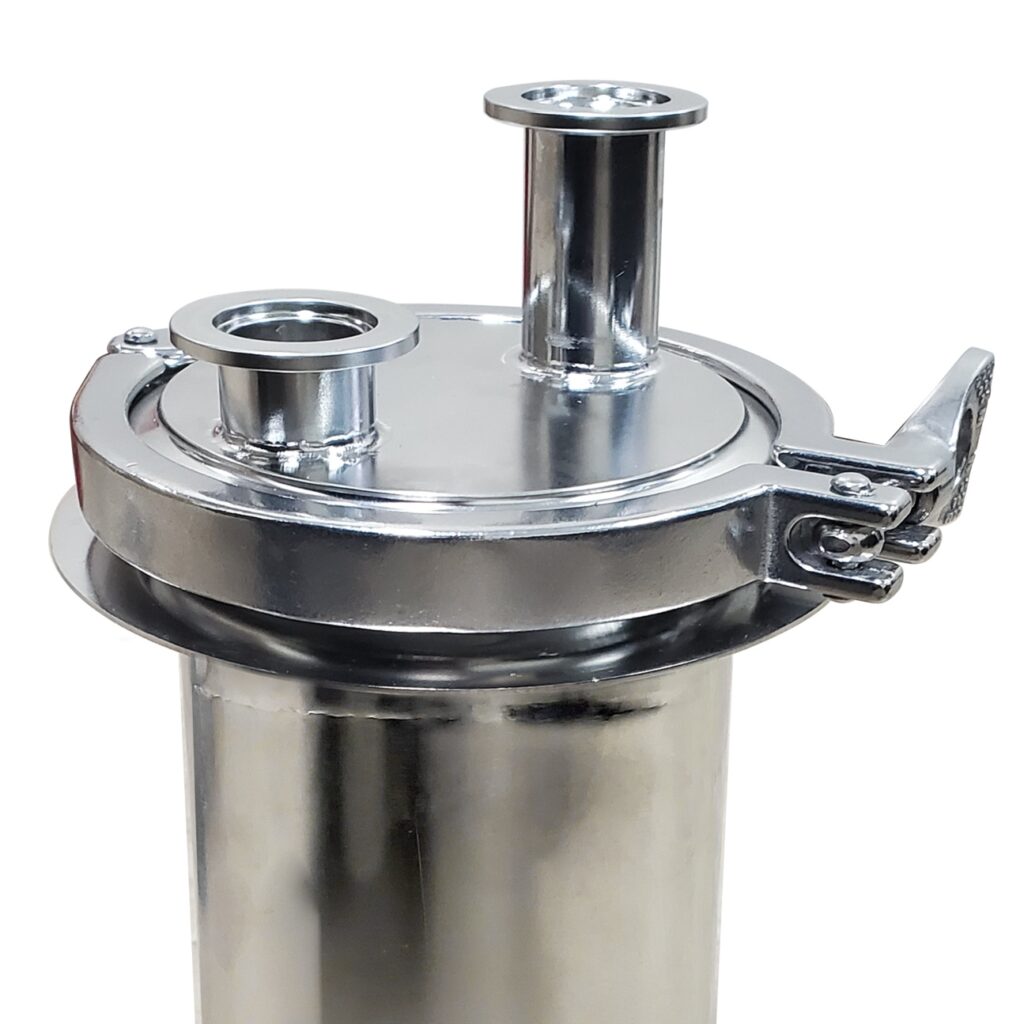
Condensers efficiently capture vapors, which reduces the load on the vacuum system and enhances its reliability and lifespan.
Why to consider condensers?
Vapor capture
Condensers capture vapors, chemical components, and moisture before they leave a controlled volume. The condensate can also be a product in some chemical processes and can be collected.
Protection of equipment
By capturing condensable vapors, condensers protect vacuum pumps and other components from damage or contamination.
Process stability
Condensers keep the system dry and clean, stabilizing pressure and ensuring reliable operation for long-term experiments or the production of sensitive materials.
Condensate collection and draining
- Condensate is typically collected in a dedicated sump or collection chamber located beneath the condensing surface; the design must prevent re-evaporation into the vacuum.
- The drainage layout includes welded or formed gutters, separation chambers, and capillary or gravity drains connected via vacuum valves or pump-assisted lines.
- Low-boiling or aggressive condensates require insulated drains and neutralization tanks.
- The collection sump should provide an inspection port and cleaning access. Cryogenic condensers require consideration of volume changes during defrost cycles.
- One disadvantage of complex condensate systems is the increased risk of leaks at joints and the need for regular maintenance of seals and valves.
Defrosting and cleaning
- Defrosting begins with a controlled shutdown of the cooling system, followed by heating the condenser to a temperature that allows for the safe evaporation or drainage of accumulated liquid.
- In cryogenic systems, this process is carried out in isolation with controlled valves and venting to a dedicated evaporator.
- Mechanical cleaning involves scraping off solid deposits and rinsing with suitable solvents.
- Automated defrost cycles combine gentle heating, pulsed warming, and circulation of warm fluid to minimize downtime.
- After defrosting, perform leak checks, valve function tests, and an inspection of condenser surfaces.
- Safety measures include controlled ventilation, capturing released vapors, and protective procedures for handling hazardous condensates.
- One drawback is that frequent defrosting reduces effective uptime and increases operating costs.
Cryogenic vs. non-cryogenic
- Cryogenic condensers operate at very low temperatures using liquid nitrogen, liquid helium, or closed-cycle refrigeration. They are effective at capturing water vapor and heavier organic species.
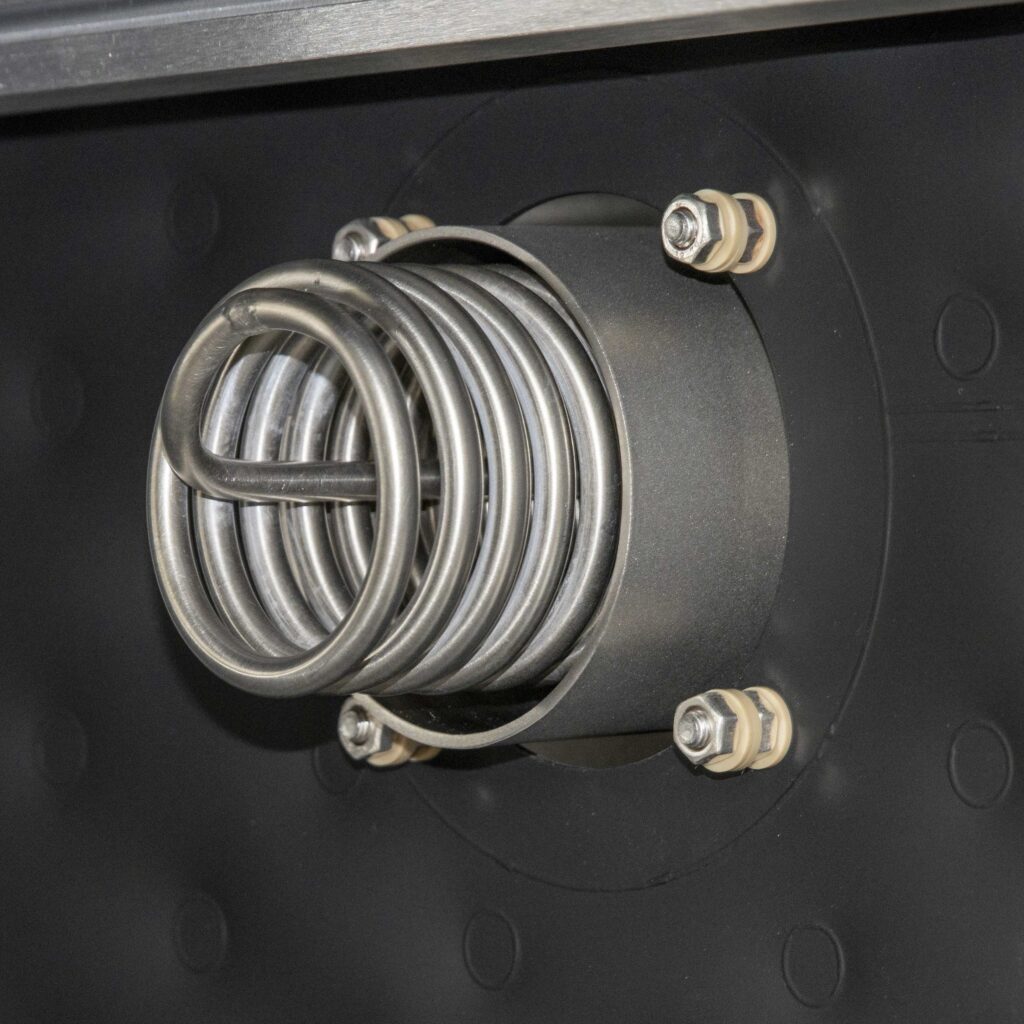
- Non-cryogenic condensers use cooling water, glycol loops, or Peltier elements and are suitable for applications that do not require extremely low temperatures.
- Cryo solutions reach lower partial pressures of condensable species, thus improving overall vacuum performance, but they require safety measures against the rapid release of cryogenic gases.
- Non-cryogenic systems have simpler operations and a lower initial cost. However, their effectiveness at removing species with very low vapor pressures is limited.
- The selection depends on vapor types, required efficiency, operating costs (e.g., cryogen consumption), and safety constraints.
- In practice, a hybrid approach is common, which involves pre-condensation with a water-cooled condenser, followed by cryogenic capture, to increase efficiency and reduce the load on cryopumps or traps.
- Disadvantages of cryogenic systems include the logistical challenges of cryogen supply, the risk of ice blockages, and higher operating costs. Non-cryogenic condensers may underperform when it comes to volatile organics.