Cold traps

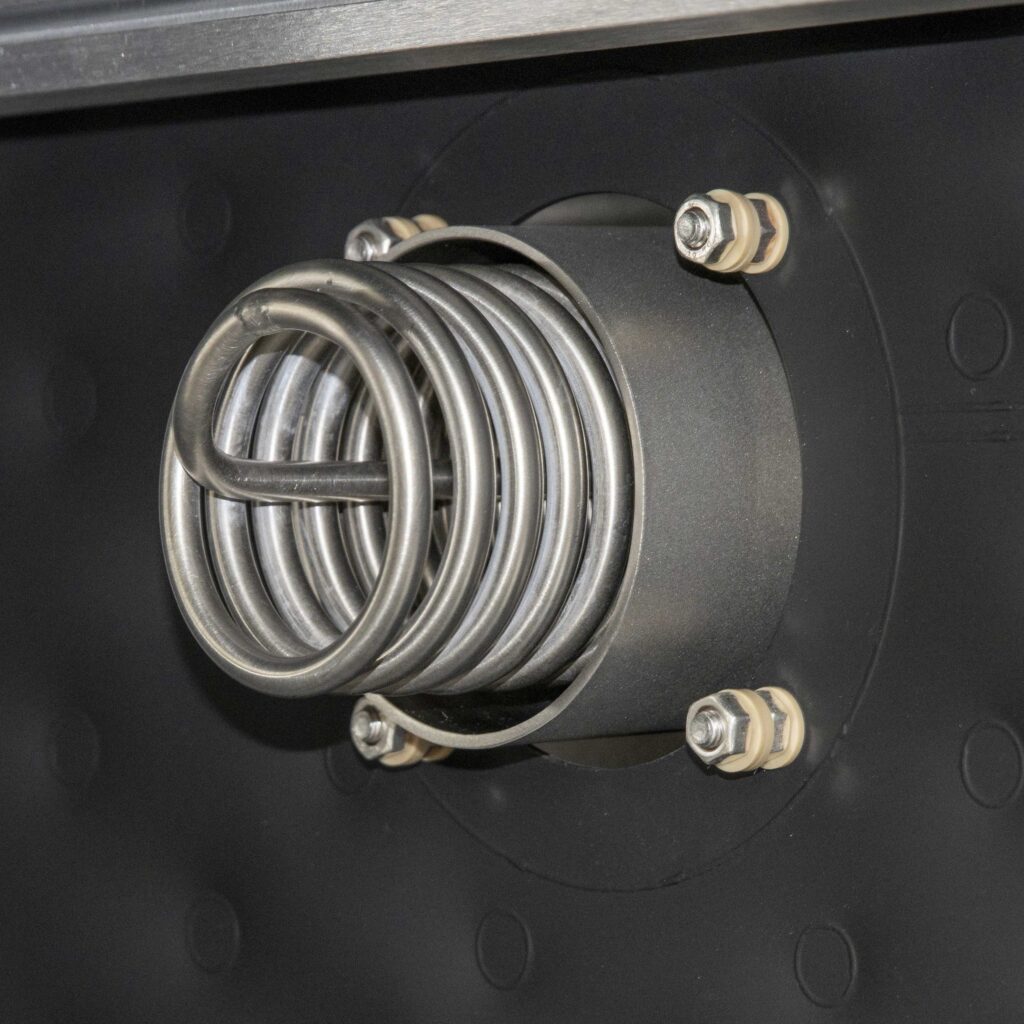
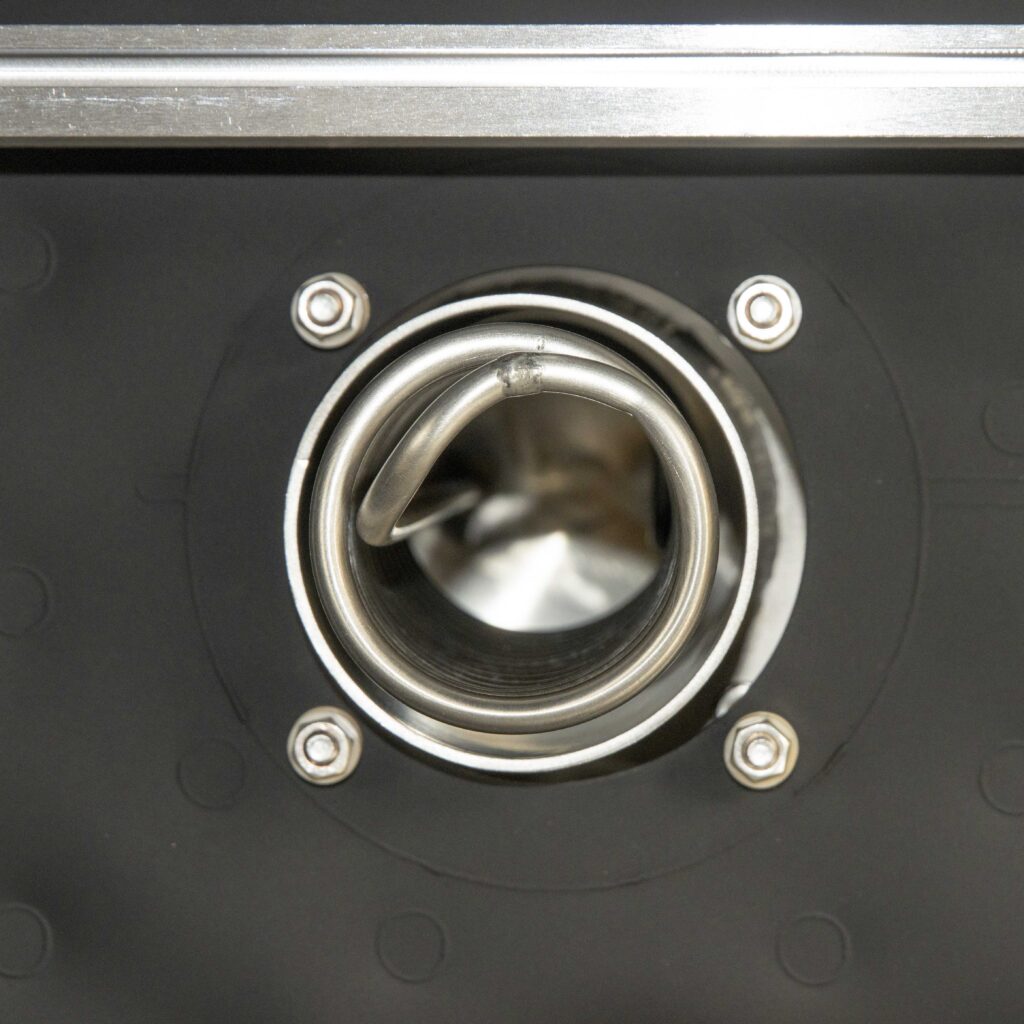
Cold traps effectively capture vapors and contaminants, thereby protecting the vacuum system and extending its lifetime. They also help reduce the time required to reach the desired vacuum level.

Why to consider cold traps?

Vapor and contaminant capture

Cold traps work by condensing and capturing vapors, moisture, and chemical contaminants before they enter the main vacuum chamber or before vacuum pumps.

Protection of systems

By capturing aggressive vapors and condensates, the cold trap protects vacuum pumps and other components from damage. It is an effective protection especially during chemically intensive processes.

Vacuum stability improvement

Cold traps maintain the cleanliness of the vacuum system, improving vacuum stability. It reduces system contamination, minimizes outgassing, and helps achieve high and ultra-high vacuums.

Vacuum integration

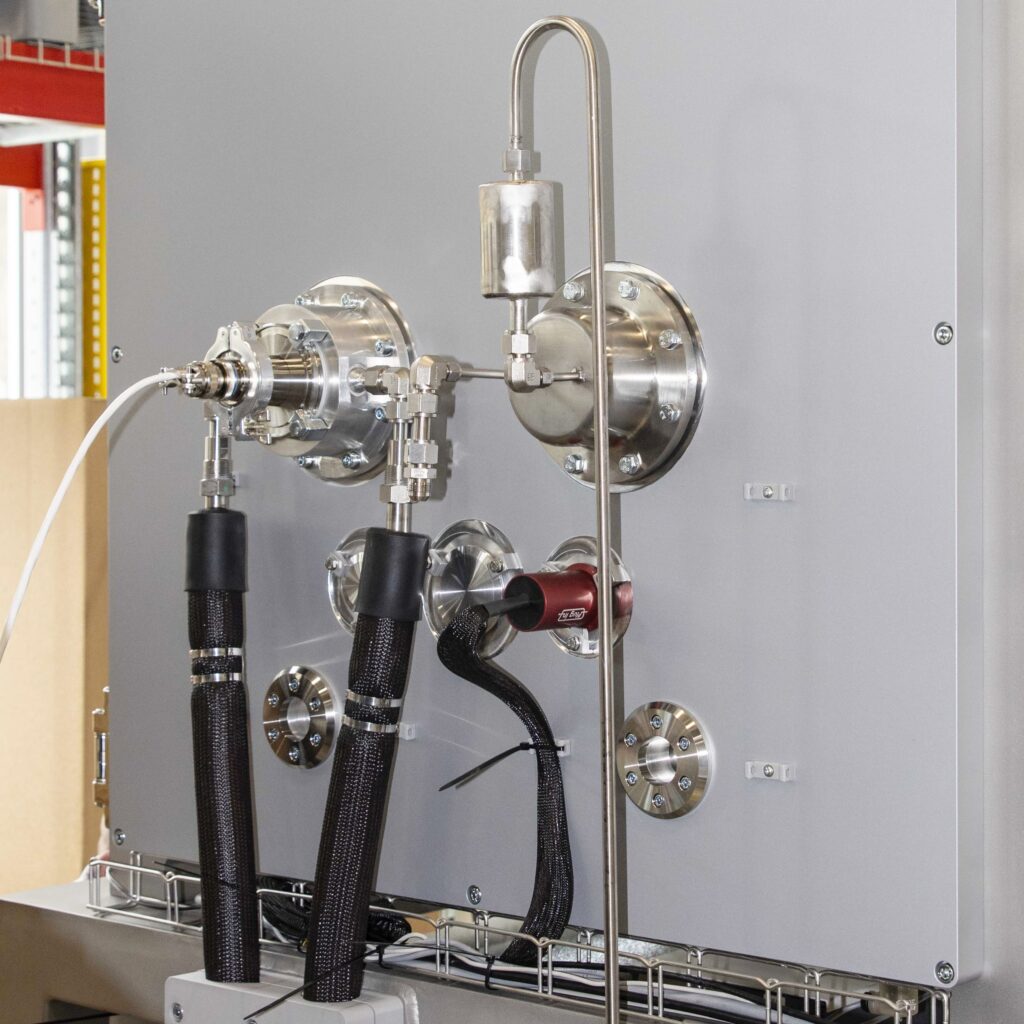
  • Cold traps are typically positioned between the vacuum chamber and the pump to capture condensable vapors before they can damage the pump.
  • They can also be added as a standalone accessory with a flange, allowing flexible positioning based on specific requirements.
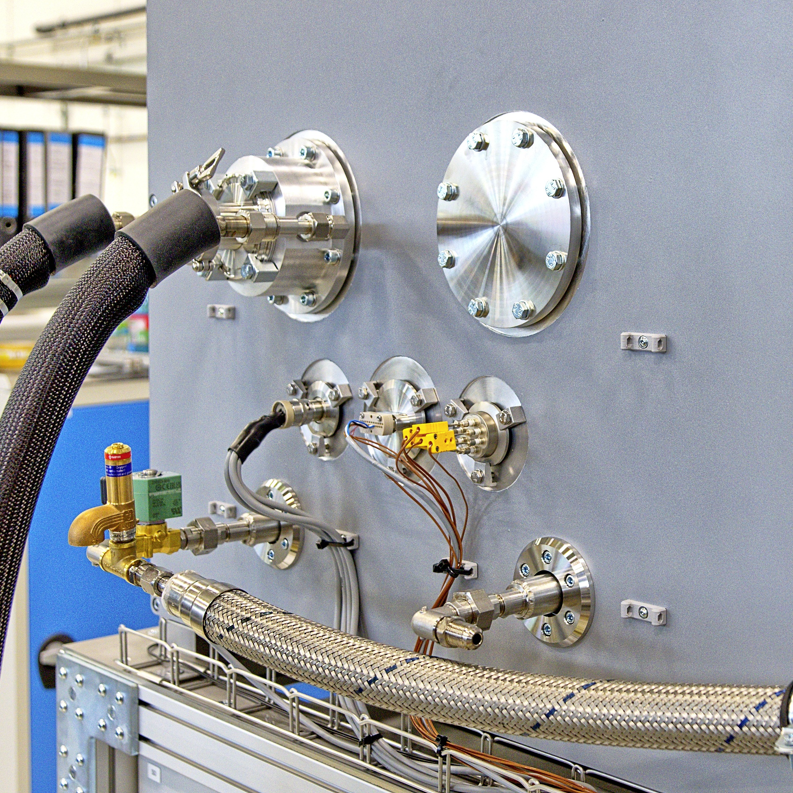
  • Mechanical integration includes appropriate flanges (CF or ISO) and valves for easy disconnection or isolation during maintenance.
  • Thermal insulation around the cold trap protects the vacuum piping and nearby equipment from extremely low temperatures.
  • Some systems allow for modular installation, enabling the quick addition or removal of the cold trap as needed.
  • Temperature and pressure sensors can be integrated into the control system for operational monitoring.

Maintenance and defrosting procedures

  • During operation, condensable substances accumulate on the cold trap and must be regularly removed.
  • Maintenance includes turning off the cooling, opening the valve, and allowing the condensate to evaporate under controlled conditions.
  • With liquid nitrogen traps, care must be taken to prevent rapid vapor release, which can damage the equipment.
  • After evaporation, inspect the trap for mechanical damage, leaks, and chemical residues.
  • Some systems use automated defrost cycles to minimize downtime.
  • Proper handling of condensates is important, especially if they contain hazardous chemicals.

High vs. low temperature

  • The effectiveness of a cold trap depends on the achieved vacuum level and the type of vapors being captured.
  • In high vacuum (HV), condensation occurs faster because vapor pressure is higher and trap surfaces become coated more easily.
  • In ultra-high vacuum (UHV), vapor pressure is lower, which reduces effectiveness; therefore, the trap may require a larger surface area or a lower temperature.
  • The placement of the trap and the gas flow rate influence how much vapor reaches the condensing surface.
  • Trap temperatures must be properly set. A temperature that is too high reduces condensation, while a temperature that is too low may freeze gases and cause blockage.

Get in touch

Do you have questions about our Advanced Vacuum solutions?

Contact form

By submitting the form, I agree and acknowledge the processing of personal data.