Vacuum drying

Vacuum drying quickly and gently removes moisture, protecting materials and ensuring consistent product quality.

Why to consider vacuum drying?

Moisture removal

Vacuum drying enables the rapid removal of water or solvents from powders and chemicals at different temperatures. 

Preservation

Low pressure and gentle drying minimize the degradation, oxidation, and clumping of heat-sensitive materials.

Control

Reduced pressure accelerates evaporation and allows for precise control of the temperature and drying time for each material. Combining it with several venting cycles can speed up the process.

Principle of vacuum drying

  • Vacuum drying operates by lowering the pressure inside the chamber, which allows water to evaporate at a lower temperature than under atmospheric conditions.
  • Lower temperatures prevent the degradation of sensitive components and preserve the nutrients, color, aroma, and structure of food or materials.
  • Evaporation rates increase because vapor pressure over the liquid decreases, allowing water molecules to escape more easily.
  • The reduced risk of oxidation and enzymatic reactions extends the shelf life and improves the quality of the product.
  • This process is suitable for sensitive pharmaceutical products, herbal extracts, fruits, meat, and heat-sensitive polymers.
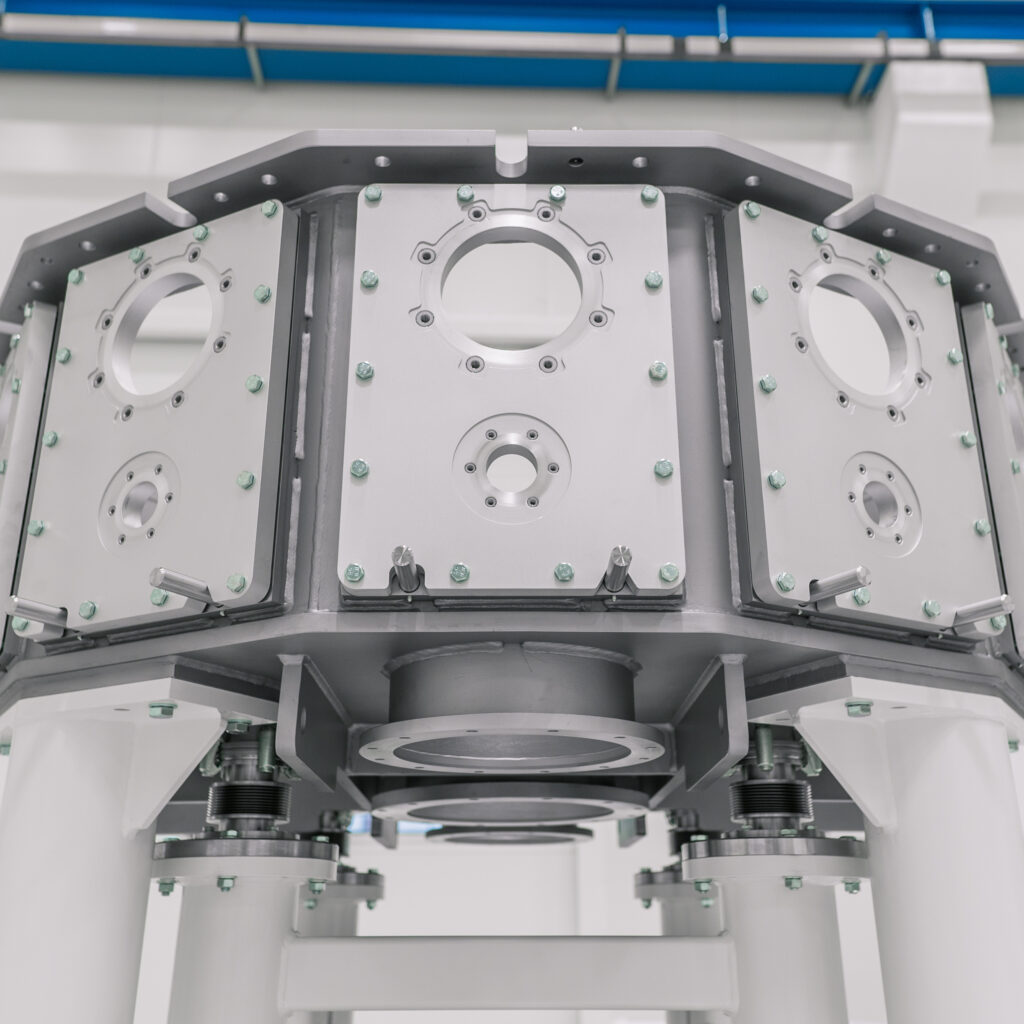
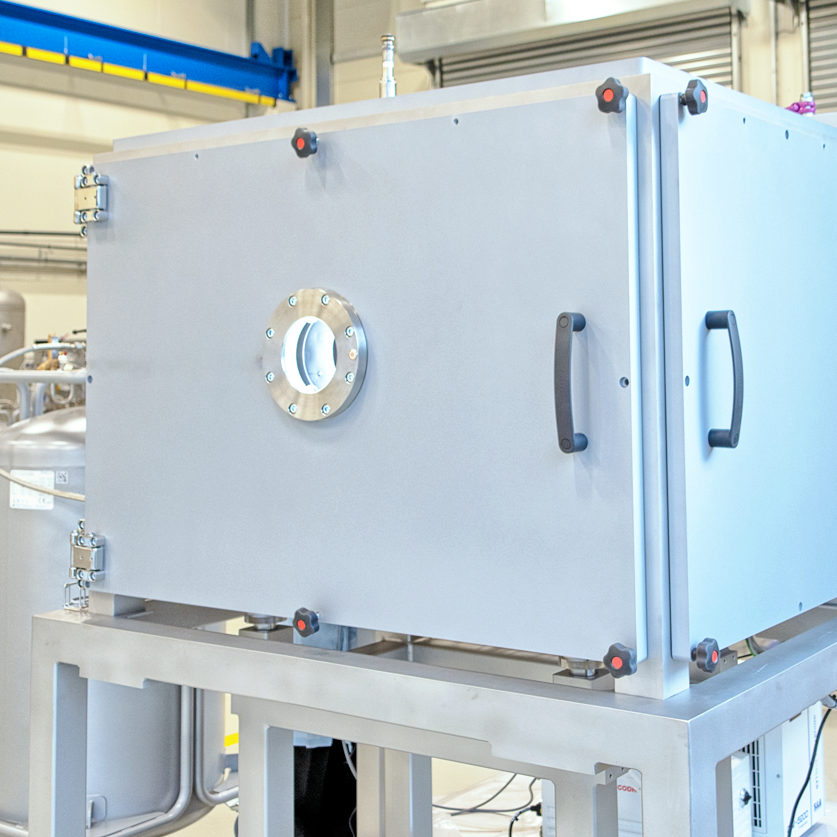
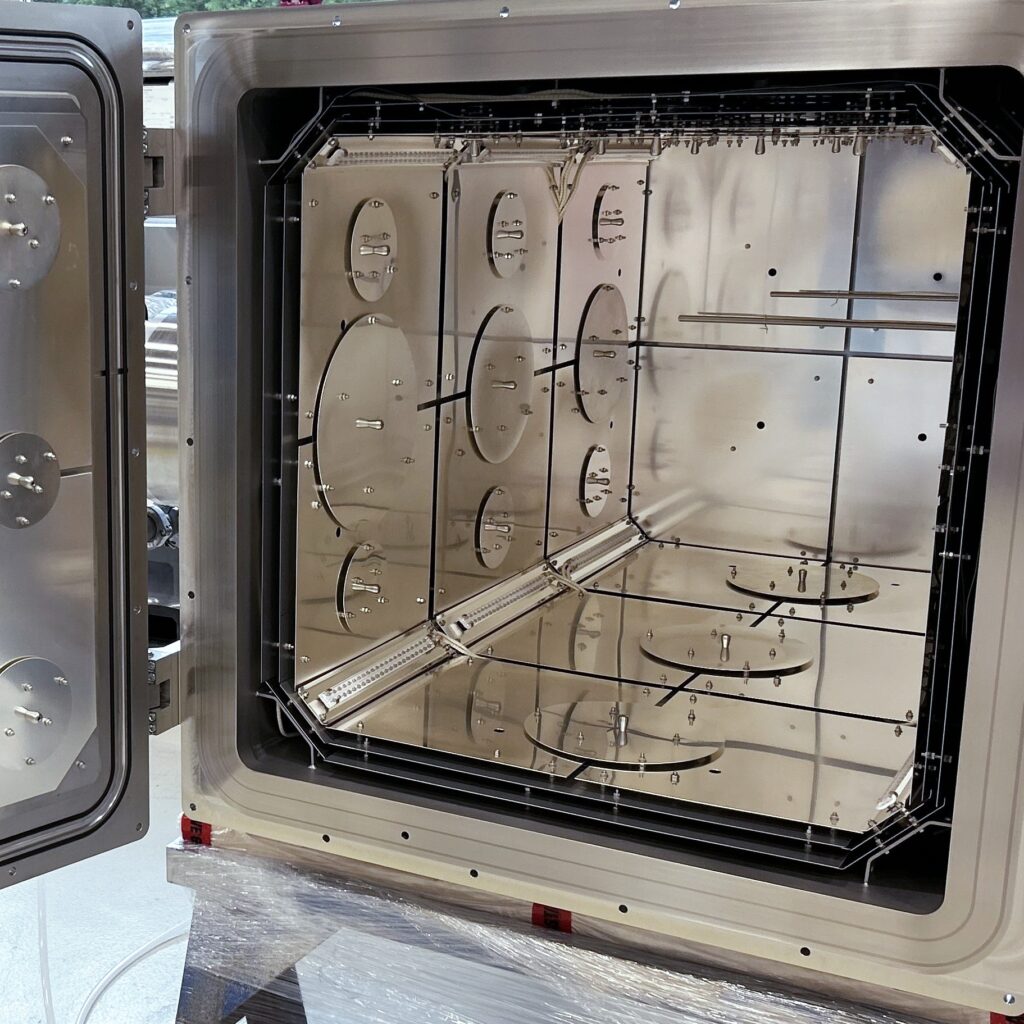
  • Chambers often use controlled heat sources, such as convection, water baths, or heated plates, for uniform drying.

Stages of drying

  • The first stage is the evaporation of free water, which is found on the surface and in the free capillaries of the material.
  • Next is the transitional phase, during which the content of free water decreases and the content of bound water in cellular structures or matrices begins to evaporate.
  • The final stage involves the evaporation of bound water, which is slower and critical to maintaining the product’s structure.
  • An optimal combination of pressure, temperature, and time is required for each stage to ensure uniform drying.

Applications

  • In food processing, vacuum drying preserves the color, aroma, and nutritional value of fruits, herbs, meat, spices, and heat-sensitive products.
  • Pharmaceutical products, such as powders, capsules, and herbal extracts, undergo vacuum drying to prevent the degradation of active ingredients.
  • The energy sector often uses vacuum drying for coils, condensers, and prior resin filling for high-performance motors.
  • This method is used in laboratories and industrial production to achieve stable processes.

Get in touch

Do you have questions about our Advanced Vacuum solutions?

Contact form

By submitting the form, I agree and acknowledge the processing of personal data.